DFW Drone Regulations & Popular Flying Spots
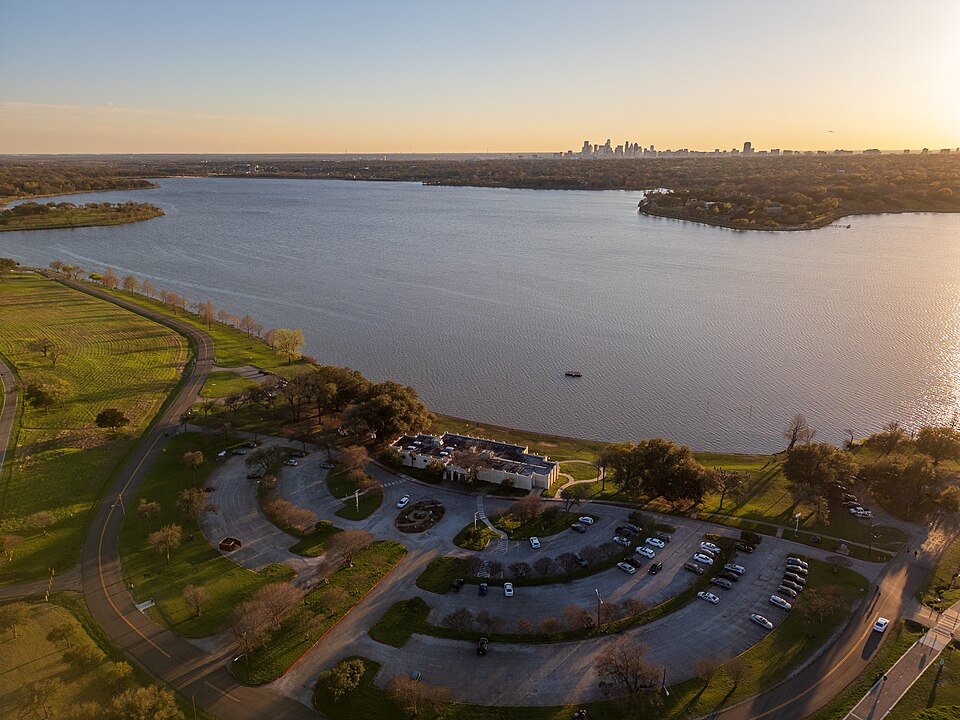
Flying drones in DFW requires following both federal and Texas regulations. You'll need registration for drones over 0.55 lbs, TRUST certification for recreational use, and Part 107 certification for commercial operations. Popular flying spots include White Rock Lake and Lewisville Lake, but avoid critical infrastructure and stay below 400 feet. Always maintain visual line of sight and check for airport and controlled airspace restrictions. Our guide covers essential permission details for worry-free flights.
Federal Drone Laws You Must Know in DFW
Compliance with federal drone regulations forms the foundation of legal flight operations in the Dallas-Fort Worth metroplex. You must register all drones weighing over 0.55 pounds with the FAA, though certain drone registration exemptions exist for ultra-lightweight models under this threshold. If you're flying commercially, you'll need a Remote Pilot Certificate by passing the Part 107 exam, while recreational flyers should complete the TRUST certification and carry proof of completion. Few drone operator certification waivers are available, and most are limited to advanced use cases such as the new BVLOS delivery operations in DFW. The FAA is working on a proposed BVLOS rule that could eventually allow more routine flights beyond visual line of sight without individual waivers, which would greatly expand commercial drone operations in the DFW area. Always fly below 400 feet, maintain visual line of sight, and stay clear of airports and restricted airspace. For controlled airspace access, secure authorization through LAANC or other FAA-approved systems. Remember that special waivers or specific rule provisions are required for certain night operations and flights directly over people.Texas-Specific Regulations for Drone Operators
While federal regulations establish baseline requirements for drone operations nationwide, Texas has enacted several state-specific laws that significantly impact how you can fly in the Lone Star State. Flying over critical infrastructure like power plants, refineries, water treatment plants, and similar facilities below 400 feet is prohibited under HB 1481—it's a Class B misdemeanor. Texas law also prohibits operating UAS over correctional or detention facilities and over sports venues during events under HB 1424. You'll generally need permits for most Texas State Parks, with notable exceptions at San Angelo State Park and Martin Dies Jr. State Park, which have designated drone-flying areas without standard filming permits. Privacy considerations are paramount; capturing images of individuals or private property with the intent to conduct surveillance without consent can violate House Bill 912 and related image-capture provisions. Wildlife protection rules also restrict using drones to hunt, drive, capture, take, count, or photograph wildlife without an Aerial Wildlife Management Permit (AMP) and landowner authorization. For special event permits, coordinate with local authorities since municipalities can regulate drone flights during festivals and gatherings. Always check local ordinances before flying in DFW.
Understanding Recreational vs. Commercial Flight Requirements
Beyond Texas-specific laws, understanding whether your drone activities qualify as recreational or commercial forms the foundation of your legal flight obligations. Recreational drone operator responsibilities include completing TRUST certification, flying purely for personal enjoyment, and carrying proof of test completion during flights. No compensation, business use, or promotional purpose can be involved. Commercial activities encompass any flight related to work, business, or service provision—including nonprofit and goodwill activities. Commercial drone pilot training requirements are more stringent, mandating FAA Part 107 certification and obtaining a Remote Pilot Certificate. All drones used for commercial purposes in Texas must be properly registered with the FAA if they weigh more than 0.55 pounds. When in doubt about your flight classification, it's safest to follow Part 107 rules for compliance.
Top Drone-Friendly Parks and Open Spaces
View this post on Instagram
Finding suitable locations for drone flight in the Dallas-Fort Worth metroplex doesn't have to be challenging, as the region offers numerous drone-friendly parks and open spaces with stunning photography opportunities. White Rock Lake provides roughly 1,015 acres of open space with scenic overlooks of Dallas' skyline, while Lake Cliff Park offers attractive filming backdrops between Oak Cliff and downtown. Lewisville Lake's vast 29,000 acres feature well over 200 miles of shoreline, perfect for diverse aerial shots centered on coves, marinas, and beaches. Many Fort Worth parks allow recreational drone flying, but you must follow FAA rules and any city guidance—and if you're operating within about 5 nautical miles of airports like Fort Worth Meacham, you'll typically need to coordinate using local notification procedures in addition to federal approvals. Camera drone workshops are increasingly common at these locations, helping pilots master techniques while maintaining safety protocols. Remember that all flights must comply with FAA regulations, maintain line-of-sight requirements, and respect local park rules. Connecting with other pilots through communities like the Texas Drone Pilot or DFW Drones Facebook groups can provide valuable location-specific tips and community support.
Navigating Airport Proximity and Airspace Restrictions
Operating drones within the DFW metroplex requires careful attention to airspace restrictions, particularly around the region's busy airports. Instead of a simple “call the tower within 5 miles” rule, you now must obtain proper authorization before flying in controlled airspace near airports such as DFW International, Dallas Love Field, or Fort Worth Meacham, typically through LAANC or other FAA-approved tools. Some local airports, including Meacham, also request notification when flying within 5 nautical miles. Remember that you're legally required to maintain visual line of sight with your drone and stay below 400 feet unless operating under a specific waiver or approved operation. The FAA's Remote ID requirements now apply throughout the metroplex, making your drone identifiable to authorities whenever it is required to broadcast. For smoother operations, consider joining local drone community outreach programs where experienced pilots share airspace coordination practices. Violations near airports can result in serious penalties, including fines and potential certificate actions. A forthcoming FAA BVLOS rulemaking is expected to expand beyond-visual-line-of-sight operations, but until then, always check the B4UFLY app and official FAA maps before launching your drone in the DFW area.
Weather Considerations for Safe Drone Operations in DFW
When flying drones in the Dallas-Fort Worth metroplex, you'll need to carefully monitor local weather conditions that can drastically impact your flight safety and performance. The region's variable climate creates unique microclimate effects on drone flights, especially in urban areas where buildings create unpredictable wind patterns. Three critical weather factors to evaluate:
- Wind conditions – TruWeather's network of 20+ low-altitude sensors in AllianceTexas provides hyper-local data to help you navigate gusts that affect stability.
- Precipitation – Rain and high humidity can damage electronics and reduce visibility, though some drones offer limited weather-resistant capabilities.
- Temperature extremes – DFW's hot summers and occasional cold spells affect battery life and system reliability.
Standard aviation weather reports (METARs) are often optimized for crewed aircraft and may not fully reflect low-altitude, neighborhood-level conditions relevant to drones. Implementing proper noise and altitude management strategies becomes even more important during adverse weather, when you may need to adjust flight profiles to avoid wind shear or downdrafts around buildings.
State Park Flying Permissions and Limitations
Texas state parks maintain specific drone regulations, and most require permits before you can legally fly. Currently, only San Angelo State Park and Martin Dies Jr. State Park offer designated state park areas where you can fly without a filming permit, as long as you follow posted rules and FAA regulations. State park drone limitations include:
- Wildlife protection laws prohibit using drones to hunt, drive, capture, take, count, or photograph wildlife without both an Aerial Wildlife Management Permit (AWM/AMP) and Landowner Authorization (LOA).
- Flying over critical infrastructure within parks (such as water facilities or similar sensitive installations) can still intersect with Class B misdemeanor provisions under Texas critical infrastructure laws.
- All flights must comply with FAA regulations, including altitude restrictions and line-of-sight requirements.
Permit applications often need several weeks for processing, and unauthorized flights can result in penalties or misdemeanor charges. Commercial operators must also maintain proper FAA Part 107 certification alongside any required park permits.
Critical Infrastructure and No-Fly Zones in North Texas
Flying drones in North Texas requires careful attention to critical infrastructure restrictions and no-fly zones that can result in serious legal consequences if violated. Texas House Bills 1481 and 1424 prohibit drone operations below 400 feet over facilities like power plants, water facilities, correctional institutions, and sports venues during events, with violations classified as misdemeanors. The FAA's published “No Drone Zones”, Temporary Flight Restrictions (TFRs), and local airport approach paths further limit operations during special events or near security-sensitive areas. Privacy laws under HB 912 restrict capturing images of private property or individuals with the intent to conduct surveillance without consent, with potential civil penalties that can reach $5,000 per image in some cases. Always check the B4UFLY app, FAA UAS Facility Maps, and local ordinances before launching, as North Texas's growing commercial drone traffic has intensified enforcement around critical infrastructure. For more local guidance and networking opportunities, drone enthusiasts can connect with other pilots through statewide groups like Texas Drone Pilot and regional communities such as DFW Drones.
Advanced Flight Operations: Beyond Visual Line of Sight
While standard drone flights require keeping your aircraft within sight, BVLOS (Beyond Visual Line of Sight) operations represent the cutting edge of drone technology in North Texas. The FAA is progressing toward a BVLOS Notice of Proposed Rulemaking (NPRM) that could eventually allow broader BVLOS operations under defined safety frameworks, but for now, such flights generally require specific approvals. Companies like Zipline and Wing have already secured permissions for BVLOS flights in the DFW area, paving the way for expanded services. These companies began extensive UTM testing with thousands of flights in Dallas starting in 2023 before receiving their official authorizations to operate simultaneous BVLOS deliveries in shared airspace. Flights must remain below 400 feet and under 87 knots under most small UAS rules. Drones must incorporate detect-and-avoid systems to identify other aircraft, and advanced certification or waivers are required for complex operations like search and rescue, dense urban BVLOS corridors, or multi-aircraft operations. These regulations aim to balance innovation with safety concerns while integrating drones into the increasingly crowded DFW airspace.