How Drones Changed Film and Television Pop Culture
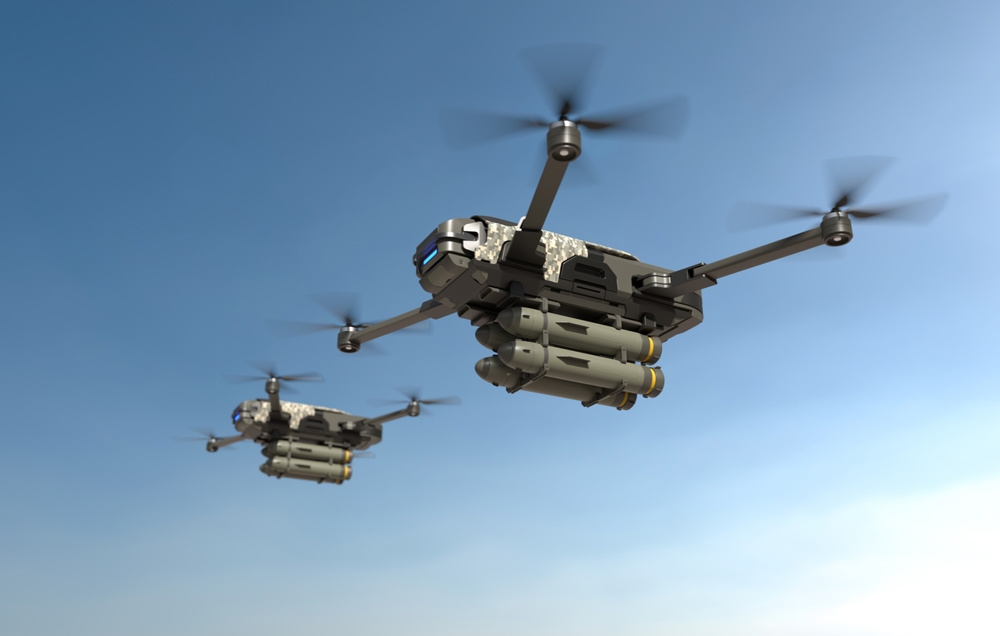
Drones didn’t just replace helicopters—they changed how stories look and feel on screen. What used to require massive budgets and complex logistics is now accessible to filmmakers at nearly every level. That shift didn’t just affect production—it reshaped audience expectations, visual storytelling, and even the broader media landscape.
As drone technology evolved, it didn’t just make filmmaking easier. It made it more immersive, more dynamic, and more connected to the way modern audiences experience motion and perspective. The result is a quiet but powerful transformation in pop culture—one that continues to expand beyond film and television.
How Drones Replaced Helicopters and Transformed Aerial Cinematography
Drones have fundamentally reshaped aerial cinematography, slashing production costs by up to 90% compared to traditional helicopter methods. You no longer need expensive helicopter rentals or crane equipment to capture cinema-grade aerial shots. Those budget savings free you to invest in talent, post-production, and additional filming days.
Today, over 75% of modern action films utilize drone cinematography, capturing stunning 4K+ footage at speeds up to 60 mph. Advanced stabilization systems deliver smooth, dynamic shots that were once virtually impossible. Despite regulatory challenges surrounding airspace permissions and operational restrictions, drones have become indispensable tools. Pilot training requirements guarantee operators execute complex maneuvers safely and professionally.
Drones and helicopters aren't competitors — they're complementary. Helicopters still dominate high-speed tracking and congested airspace coverage, while drones excel in precision low-altitude work. FPV drones enable tight, immersive tracking shots that bring audiences directly into high-speed action sequences with unmatched intensity.
The Prohibitive Cost of Aerial Filming Before Drone Cinematography
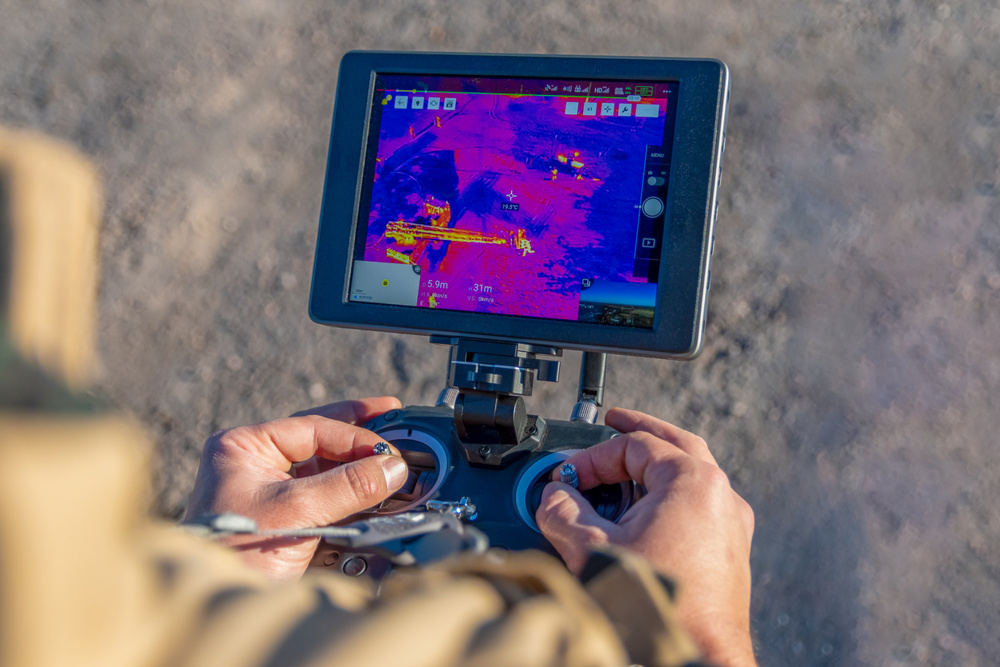
Before drones, aerial filming was one of the most expensive components of production. The costs weren’t just financial—they were logistical. Coordinating pilots, securing permits, managing weather delays, and operating large equipment made aerial shots difficult to justify unless they were essential.
Because of this, filmmakers treated aerial footage as a luxury. It was used sparingly, often reserved for establishing shots or major action sequences. This limited how often filmmakers could experiment with perspective and movement.
Drones removed those constraints. By lowering both cost and complexity, they turned aerial cinematography into a creative tool rather than a budget decision. That shift opened the door for more frequent and experimental use, fundamentally changing how films are visually structured.
What Drones Deliver on Set That Legacy Equipment Never Could
Drones introduced not just efficiency but versatility. Traditional equipment like cranes and jibs offered controlled movement, but they were limited by size and setup time. Drones, by contrast, are agile, adaptable, and capable of moving through environments in ways that feel almost organic.
This flexibility allows filmmakers to capture shots that evolve in real time. A scene can begin at ground level, rise into the air, and transition into a wide shot without interruption. That continuity creates a stronger sense of immersion.
Drones also reduce physical limitations. They can access environments that would be unsafe or impossible for crews, allowing filmmakers to capture footage in more diverse and challenging locations. This expands not just what can be filmed, but how stories can be told.
How Drone Cinematography Unlocked New Creative Applications in Film
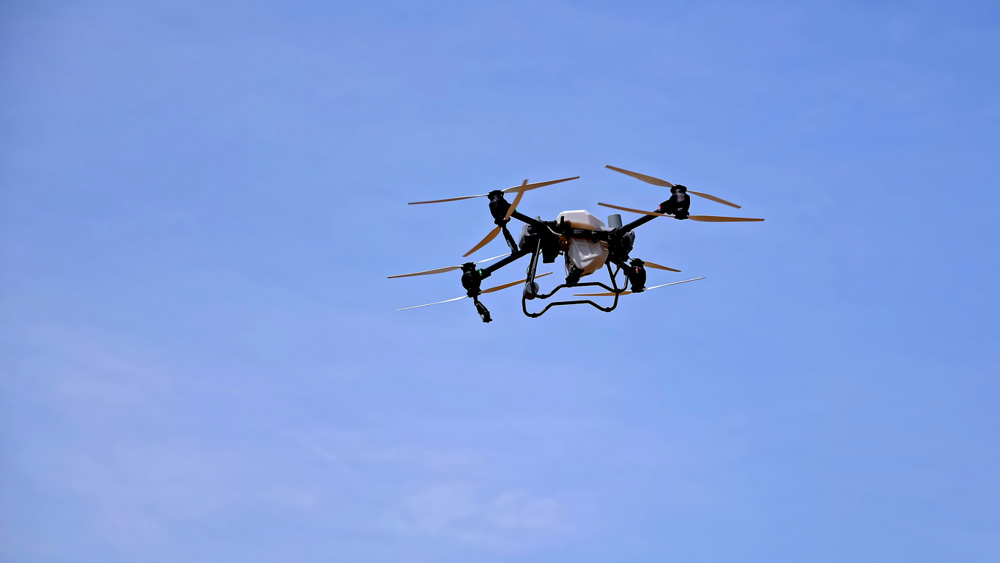
Aerial cinematography changed completely when drone technology matured enough for professional film use. You now have access to immersive perspectives that helicopters and cranes simply couldn't achieve affordably or practically. Tight corridor tracking shots, high-speed subject follows, and smooth pedestal reveals became standard tools rather than expensive luxuries.
Drone cinematography also transformed narrative choreography by letting directors blend aerial and ground-level footage seamlessly within single sequences. A shot can sweep across a vast landscape, descend into a crowd, and shift to street level without cutting. That fluid continuity deepens storytelling impact considerably.
Beyond movement, drones integrate directly with CGI pipelines, supplying high-resolution footage that composites cleanly into visual effects sequences. What once demanded massive budgets and logistical complexity now fits within standard production workflows, expanding creative possibilities for filmmakers at every budget level. Drones have also enabled new cinematic techniques and distinct visual styles that have fundamentally enriched the language of cinema itself.
Check out MrPopCulture.com and learn more about pop culture trends in drones and new technology.
Films That Show Drone Cinematography at Its Most Powerful
Several films demonstrate just how dramatically drone cinematography can reshape what audiences experience on screen. In Skyfall, Flying-Cam's drone captured Istanbul rooftop pursuits with dynamic POVs impossible for traditional helicopters. The Expendables 3 pushed further, using ZM Interactive drones across 30 scenes to track explosions, trains, and helicopters with relentless precision.
Jurassic World combined real aerial footage with CGI dinosaurs, delivering genuine scale and speed through its theme park chaos. The Wolf of Wall Street used early FAA-approved drone footage to immerse you in Hamptons excess.
Most strikingly, The Greatest Showman pioneered performer handoffs, executing a mid-air drone-to-performer transfer during a live musical sequence. Jon Graham, founder of JonnyDrones, led the cinema drone piloting and camera operating, with key grip Richie Guiness performing the first-ever drone catch in a major motion picture. Each film proves drones don't just capture action—they transform how you feel inside it.
How Drone Shots Changed the Way Action Sequences Feel
Before drones, action sequences relied on cranes, jibs, and helicopters to capture movement—tools that were expensive, limited in agility, and often too large to get close to the action. Drones changed everything. You now see filmmakers using the dynamic roll technique to rotate the horizon line, turning ordinary chase scenes into disorienting, high-energy moments.
Fly-through tensions build as drones navigate tight corridors, doorways, and dense forests, pulling you directly into the chaos. Chase shots match a subject's speed with precision, while hyperlapse sequences compress time, making cityscapes pulse with urgency. Intelligent modes like ActiveTrack and gimbal stabilization eliminate shaky footage, delivering buttery-smooth results even in unpredictable conditions.
The outcome is action cinematography that feels visceral, immediate, and impossible to look away from. Because drones are unable to capture usable audio on set, filmmakers enhance the final cut by layering in sound effects and ambient audio during post-production to complete the immersive experience.
Why Drone Cinematography Finally Put Indie Films on Equal Visual Footing
Drones played a major role in democratizing filmmaking. Independent creators now have access to tools that were once exclusive to large studios, allowing them to produce visually compelling content without massive budgets.
This shift didn’t just reduce costs—it changed what was creatively possible. Before drones, indie filmmakers had to work around limitations, often avoiding large-scale shots altogether. Now, they can incorporate sweeping landscapes, dynamic tracking sequences, and cinematic transitions into their storytelling without compromising their vision.
As a result, the visual gap between independent and studio films has narrowed significantly. Film festivals, streaming platforms, and online releases now showcase indie projects that rival major productions in visual quality. Audiences no longer assume that a smaller budget means a less immersive experience.
How Drone Cinematography Crossed from Film into Prestige Television
The influence of drones quickly extended into television, especially as streaming platforms pushed for higher production quality. Shows began adopting cinematic techniques, blurring the line between film and TV. This transition was driven by competition. As platforms like Netflix, HBO, and Amazon Prime invested heavily in original content, visual quality became a key differentiator.
Audiences began expecting film-level production values from episodic storytelling, and drones helped make that expectation achievable. Drones allowed television productions to scale up visually without dramatically increasing budgets or production time. Large landscapes, complex tracking shots, and immersive establishing sequences became standard rather than exceptional. This elevated the overall look of television, making it feel more expansive and cinematic.
Over time, this shift changed how stories are told on television. Scenes are now framed with a stronger sense of space and movement, giving narratives a broader visual scope. The result is a medium that feels less confined and more visually expressive, reflecting the evolving expectations of modern audiences.
How Drones Changed What Audiences Expect to See
As drone cinematography became more common, it quietly reshaped audience expectations. Viewers now anticipate smooth, continuous camera movement as part of the standard viewing experience. What once felt innovative—like sweeping aerial reveals or uninterrupted tracking shots—has become normalized.
These techniques are no longer seen as standout moments; they’re part of the baseline visual language of modern media. This normalization has raised the bar for filmmakers. It’s no longer enough to include dynamic shots—they must be purposeful and integrated into the storytelling.
Audiences have become more visually literate, recognizing when movement enhances a scene and when it feels unnecessary. This change is both technical and perceptual. Over time, viewers adapt to new visual standards, shaping what feels engaging or outdated. Drone cinematography has accelerated this evolution, making movement and immersion central to how stories are experienced.
The Influence of Drones on Social Media and Content Creators
Drone cinematography has expanded far beyond traditional media. Social platforms have embraced aerial visuals, making them a defining feature of modern content creation. Creators on YouTube, Instagram, and TikTok use drones to add scale and production value to their content.
Travel videos showcase sweeping landscapes, real estate tours highlight spatial layouts, and lifestyle content uses aerial shots to create atmosphere and mood. This accessibility has blurred the line between professional and amateur production. Techniques that were once exclusive to filmmakers are now part of everyday storytelling.
A single creator can produce content that feels cinematic, reshaping how audiences perceive quality across platforms. This shift also reflects a broader cultural trend. Visual storytelling is no longer confined to studios—it’s distributed across millions of creators. Drones have become a tool not just for filmmaking, but for self-expression, influencing how people document experiences and share perspectives.
What the Next Generation of Drone Cinematography Looks Like
The next generation of drone cinematography isn't arriving gradually—it's converging across AI autonomy, sensor technology, and virtual production simultaneously. You're looking at AI guided choreography replacing manual piloting for complex multi-axis shots, where autonomous systems predict motion, recognize subjects, and adjust camera settings without operator input.
Sensors now push beyond 8K into multispectral storytelling, capturing footage invisible to the human eye—thermal, hyperspectral, and LiDAR data layered into breathtaking imagery. FPV platforms deliver high-velocity sequences once impossible with traditional rigs, while low-latency data links keep directors connected in real time.
Meanwhile, drones feed volumetric scans and tracking data directly into LED-wall virtual production pipelines, blending physical flight with digital environments seamlessly. Evolving drone regulations require filmmakers to stay informed and compliant as these technologies deploy across increasingly complex production environments. You're not watching drone filmmaking evolve—you're watching it redefine production itself.
Conclusion
Drones didn’t just change filmmaking—they changed how we see stories. By making aerial cinematography accessible and dynamic, they transformed visual storytelling across film, television, and digital media. Their impact extends beyond production into audience perception, content creation, and cultural expectations.
What began as a technological innovation has become a defining feature of modern visual culture. As the media continues to evolve, drones will remain central to that transformation. They’ve redefined not just how images are captured, but how movement, perspective, and storytelling come together to create meaning.
Related posts